
History Of Jamshedpur
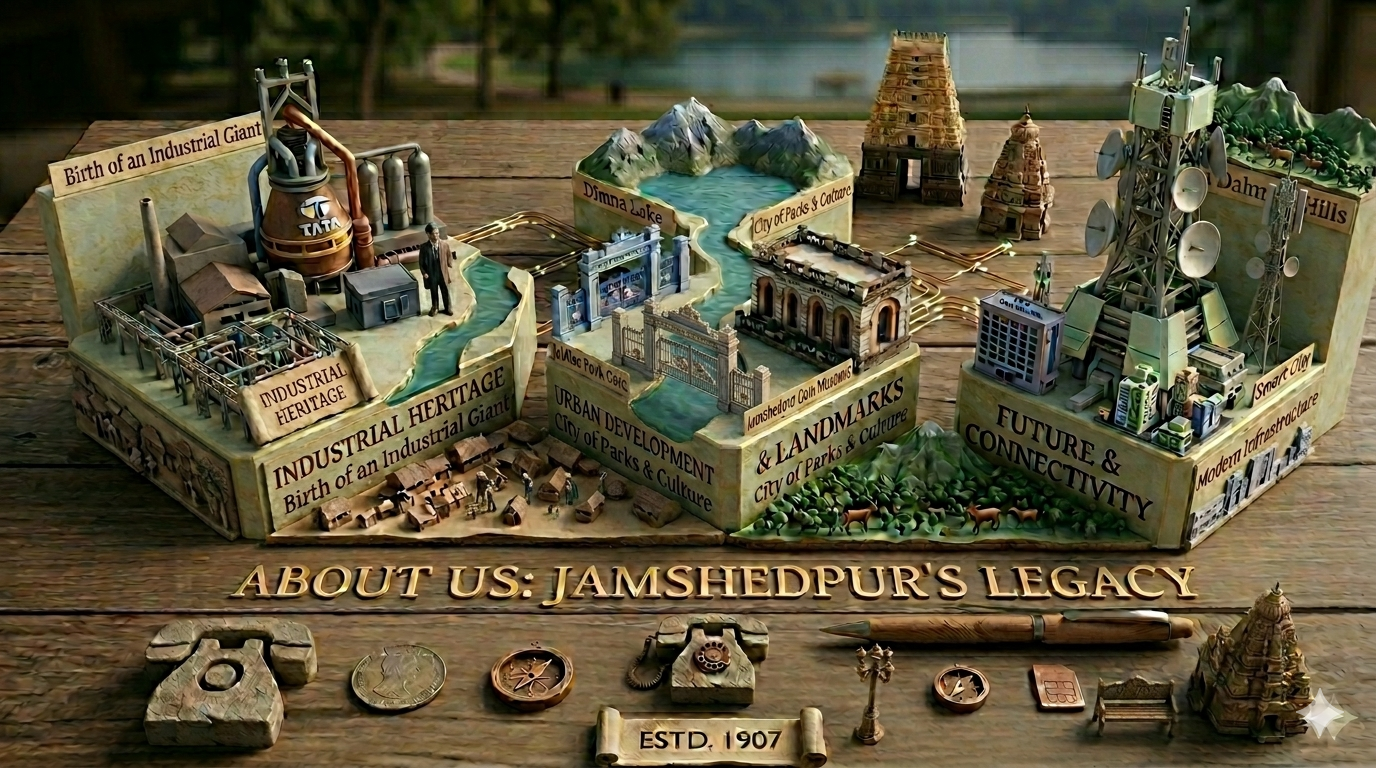
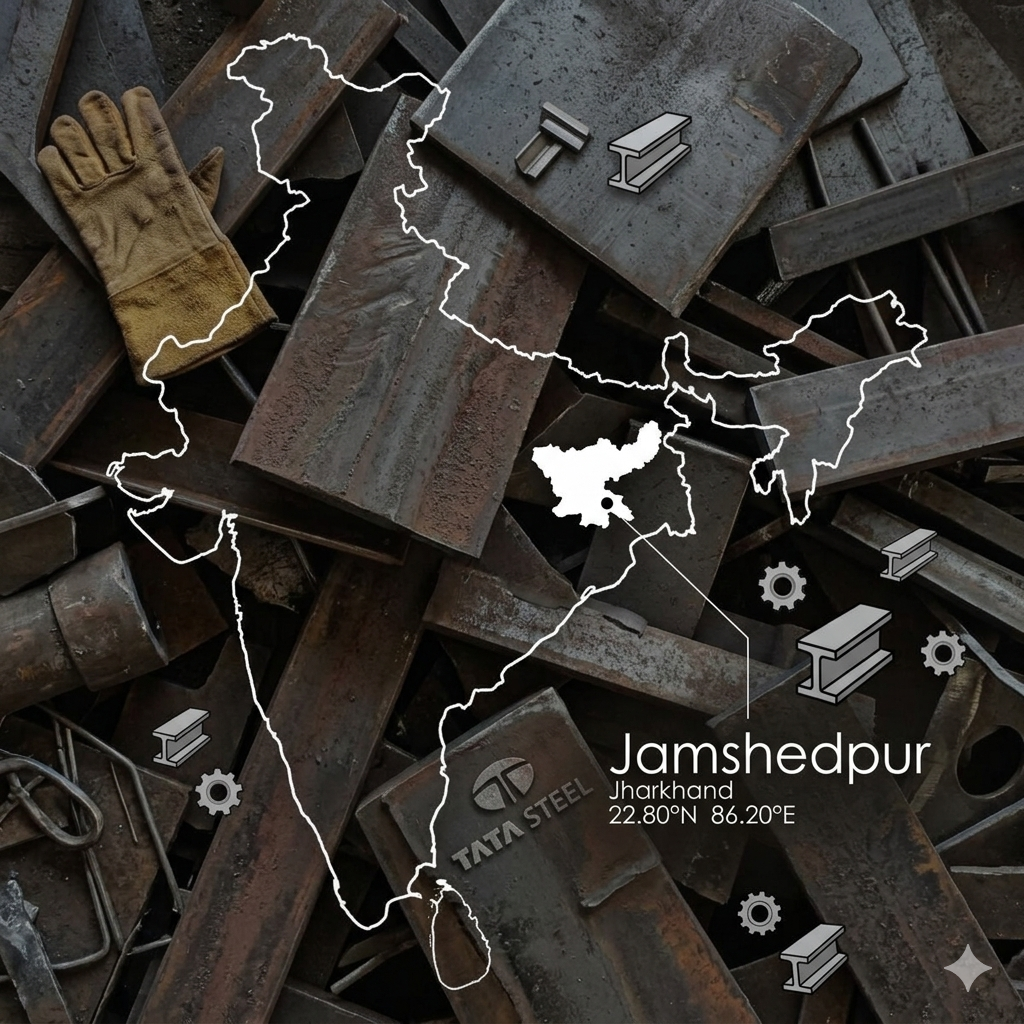
In the dense and rugged landscape of heavy industrial fabrication, this striking overhead photograph serves as a visual homage to Jamshedpur, the birthplace of Tata Steel and India’s steel industry. A close-up of a workshop floor, the image captures a sprawling assortment of weathered, dark-patina steel sections—I-beams, H-channels, and thick plates—interlocked and stacked in an raw, powerful composition. This raw metal backdrop symbolizes the enduring strength and historical continuity of steel production in the region. Superimposed over this textural complexity is a clean, precise, glowing white outline map of India, anchoring the scene within a national context. The entire silhouette of the Indian subcontinent is visible, and the critical detail is the clear outline of the state of Jharkhand. Within this state, the location of Jamshedpur is meticulously highlighted, marking the city where Tata Steel founded its first integrated plant in 1907. Further precision is added by the white, clean-font text box below, which identifies the location: ‘Jamshedpur’, ‘Jharkhand’, ‘22.80°N 86.20°E’, explicitly confirming its name, state, and geographic coordinates for all to see.In the upper left corner, a scaled-down, textured tan leather work glove lies on the metal, adding a tangible, human scale and a narrative about the skilled labor and craftsmanship inherent in steelmaking. Integrated seamlessly into the pile are several miniature 3D models of steel I-beams, appearing almost like artifacts within the larger collection. To the lower right, the Tata Steel logo and wordmark are subtly embossed or printed onto a metal surface, discretely reinforcing the corporate presence that has defined the city for over a century.
Statistical Profile Of Jamshedpur

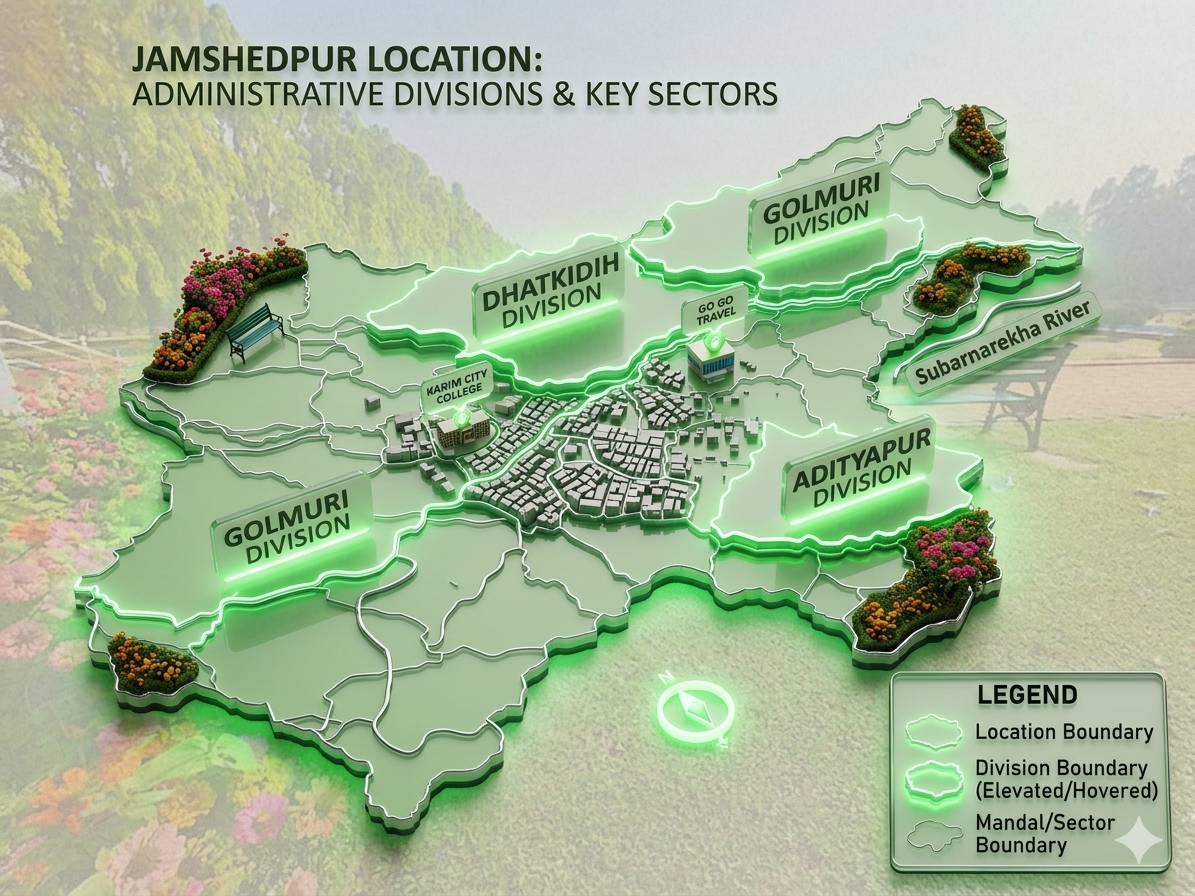
Geography
Total area around 3,500+ sq. km with major rivers like the Subarnarekha and Kharkai flowing through a landscape of industrial powerhouses, dense deciduous forests.

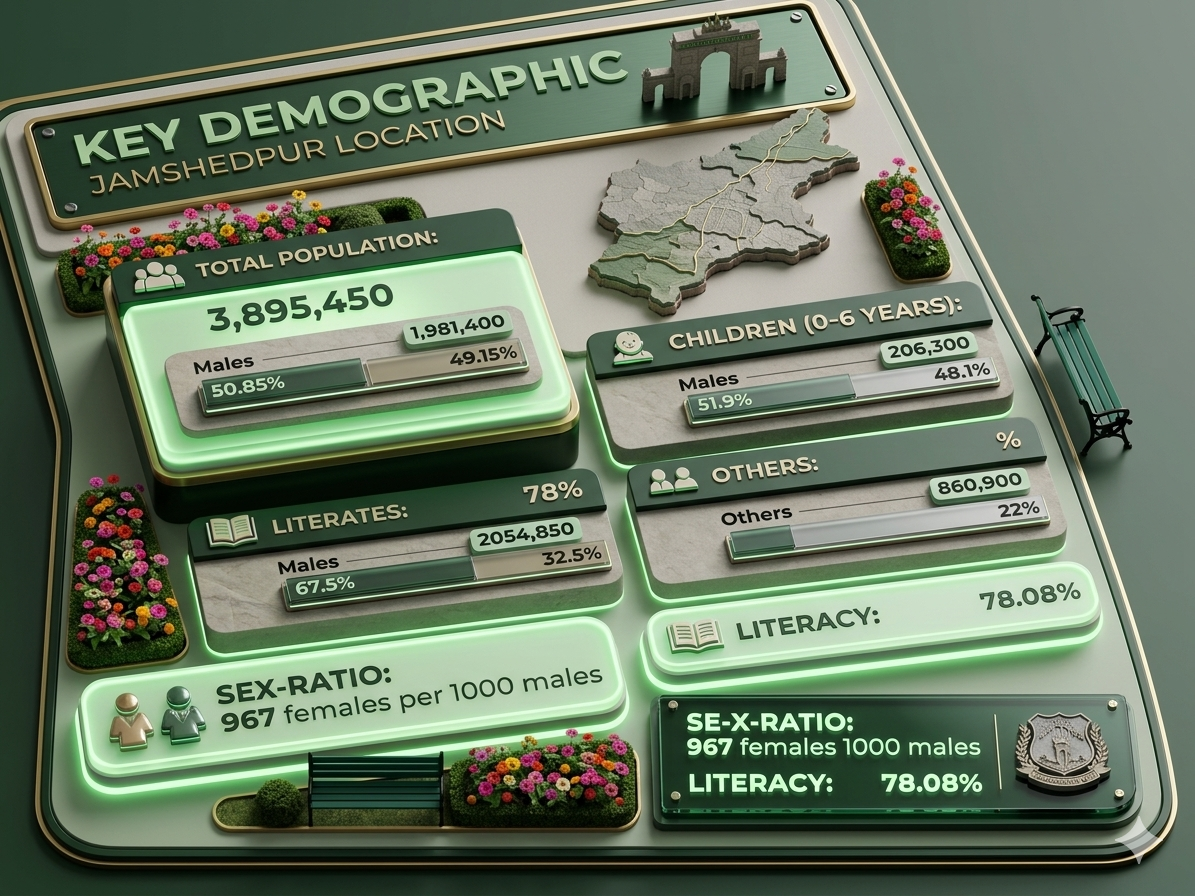
Population
With a metropolitan population exceeding 1.6 million people, Jamshedpur demonstrates robust urban expansion, high literacy rates and development.

Economy
Driven by TATA Steel and TATA Motors, Jamshedpur stands as a global hub for high-grade steel production and commercial vehicle manufacturing.

Agriculture
The region is also a growing hub for vegetable farming and horticulture, supplying fresh produce to the urban population through a blend of techniques and the development for town.

Transport
Jamshedpur's transport is anchored by the Tatanagar Junction, a vital railway hub, and a well-connected network of national highways like NH-33. Within the city, the system efficiently supports.

Education
Jamshedpur serves as a premier academic hub, anchored by XLRI, India’s oldest and top-ranked management institute. The city fosters a culture of excellence through prestigious technical and research centers.

Health Care
Jamshedpur offers a premier healthcare ecosystem anchored by the Tata Main Hospital (TMH), providing advanced multi-specialty care to the industrial workforce and the general public.

Urban Life
Jamshedpur offers a rare blend of meticulous urban planning and serene greenery, where wide, tree-lined boulevards and world-class parks meet a high standard of civic life and social life.

Language & Culture
Jamshedpur is a vibrant multicultural melting pot where Hindi, Bengali, and Santhali harmoniously blend with English and Punjabi, reflecting its diverse industrial workforce. The city’s culture is fine.
Explore Green Jamshedpur
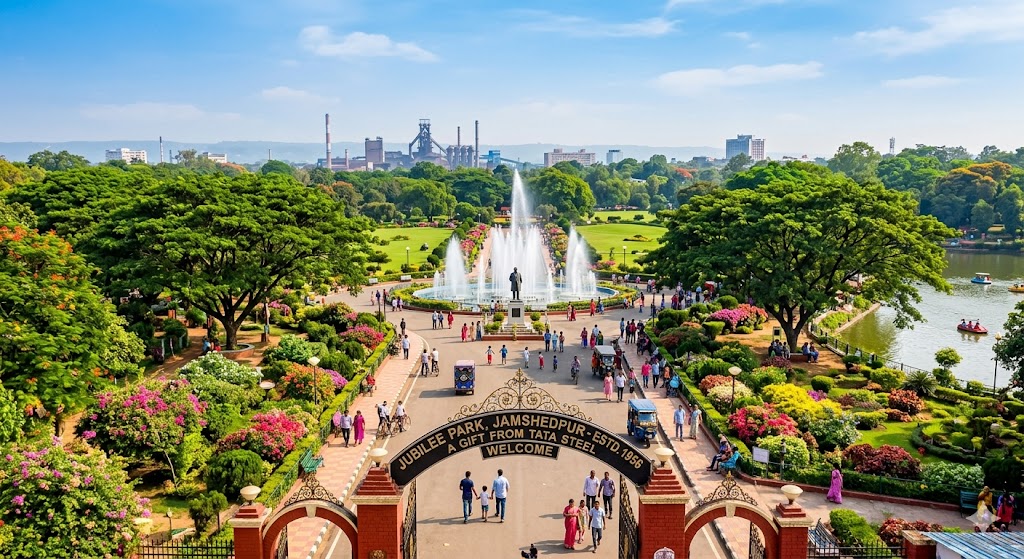
Jubilee Park
The Mughal Garden inspired heart of the city.
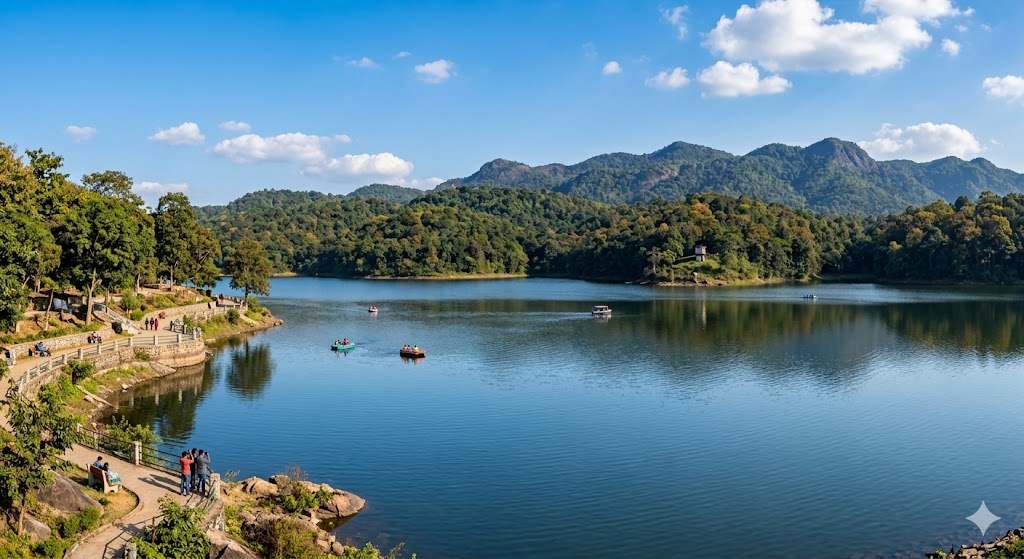
Dimna Lake
Serene waters at the foot of Dalma Hills.

Tata Steel Plant
The industrial backbone and heritage of India.
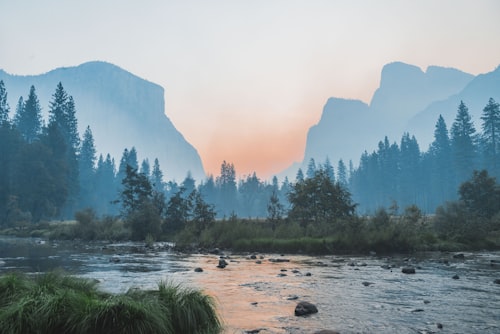
Hudco Lake
Picturesque views and peaceful evening retreats.
Jamshedpur Climate & Seasons
SUMMER
March - June
30°C - 40°C
MONSOON
June - September
22°C - 30°C
WINTER
October - February
15°C - 28°C
About Jamshedpur
Jamshedpur, known as the Steel City of India, is famous for its well-planned infrastructure, greenery, and seasonal climate. From hot summers to refreshing monsoons and pleasant winters, the city offers a diverse climate experience throughout the year.
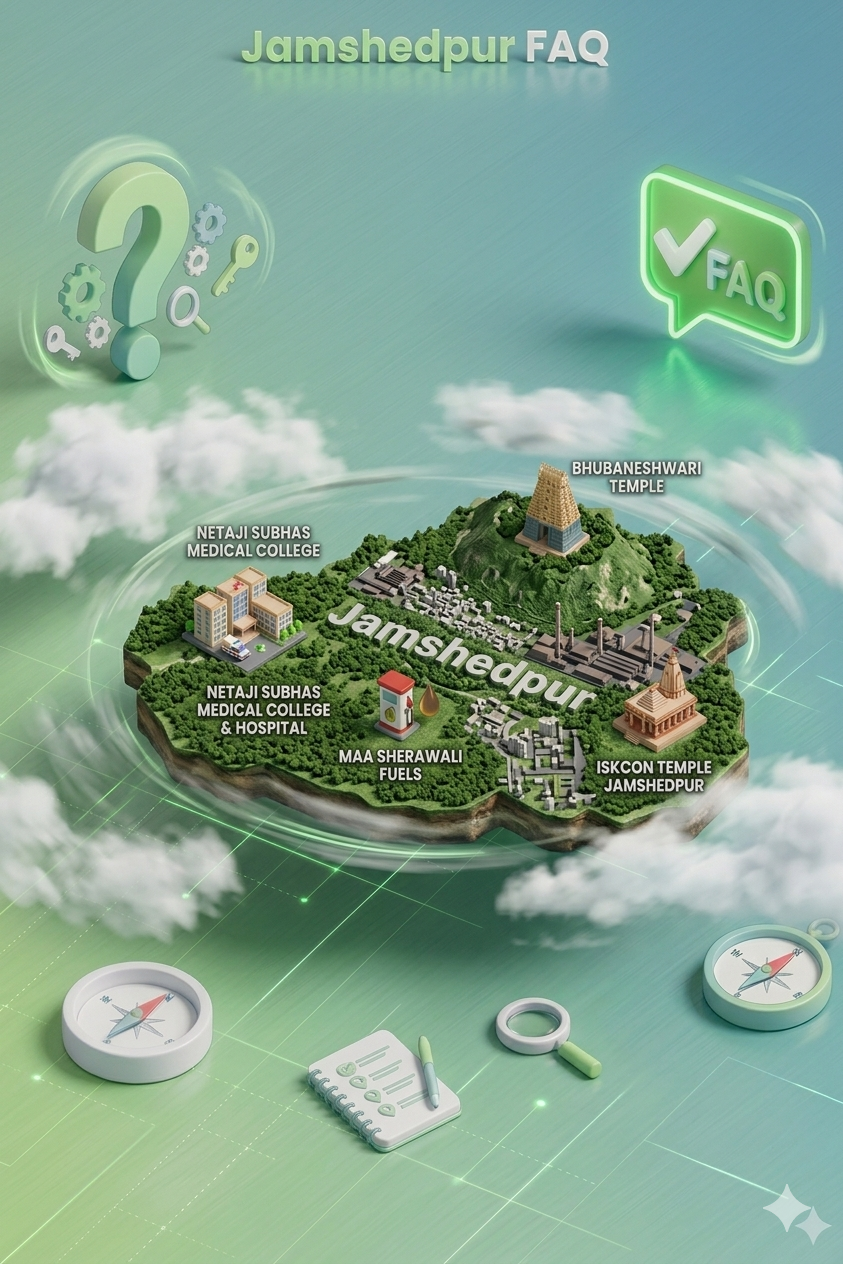
Frequently Asked Questions
The ideal time to visit is from October to March. During these winter months, the weather is pleasant (10°C to 25°C), making it perfect for exploring Jubilee Park and Dalma Wildlife Sanctuary. Summers (April–June) can be very hot, with temperatures often exceeding 40°C.
By Train: Tatanagar Junction is a major rail hub well-connected to Kolkata, Mumbai, Delhi, and Chennai.
By Air: The nearest major airport is Birsa Munda Airport (IXR) in Ranchi, about 130 km away. You can take a taxi or a Volvo bus from Ranchi to Jamshedpur (approx. 3 hours).
By Road: It is well-connected via NH-33 to Kolkata and Ranchi.
Yes, Jamshedpur is considered one of the safer industrial cities in India. However, standard precautions apply: avoid isolated areas late at night and use verified ride-hailing services like Ola or Uber for late-night commutes.
Known as the “Steel City of India,” it is the country’s first planned industrial city, founded by Jamsetji Tata. It’s famous for its clean wide roads, lush green parks, and being the headquarters of Tata Steel.
Entry requires a nominal fee at the check post (approx. ₹50 for Indians, higher for foreigners). If you plan to stay overnight at the forest rest house, you must book in advance through the Forest Department office.